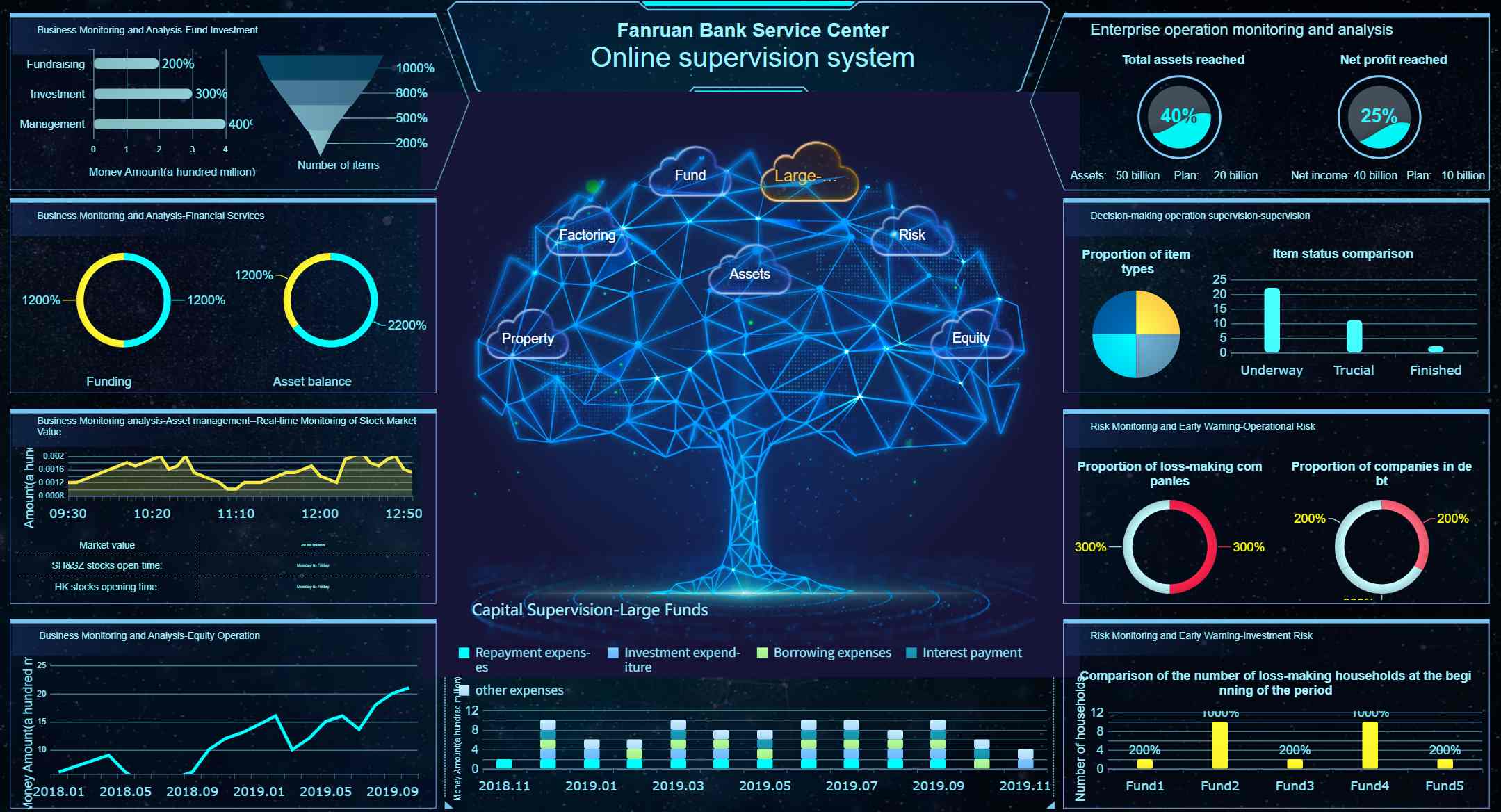
Business data has become one of the most valuable resources for modern organizations. Companies collect information from sales transactions, customer interactions, marketing campaigns, financial reports, and operational activities. However, analyzing large amounts of information can be challenging, especially when employees have to work with multiple spreadsheets, databases, and reporting systems.
This is where generative artificial intelligence (AI) is changing the way businesses approach data analysis.
Generative AI tools can help employees understand complex datasets, generate reports, create charts, identify trends, and explore business questions using natural language. Instead of spending hours writing formulas or preparing reports manually, users can increasingly describe what they want to analyze and receive AI-assisted results.
For example, a business owner can upload a sales spreadsheet and ask an AI assistant to identify the best-performing products, compare monthly revenue, or explain changes in customer purchasing behavior.
In 2026, generative AI is becoming an important part of business analytics workflows. From small businesses to large enterprises, organizations are exploring AI platforms to improve productivity, simplify reporting, and make better use of their information.
However, not every AI tool is designed for the same purpose. Some platforms are excellent for analyzing spreadsheets, while others are better suited to enterprise databases, financial reporting, or collaborative analytics.
This guide explores the best generative AI tools for business data analysis in 2026, including their features, advantages, limitations, and practical business applications.
What Is Generative AI for Business Data Analysis?
Generative AI for business data analysis refers to the use of artificial intelligence models to help users interpret, summarize, explore, and communicate information from business datasets.
Unlike traditional analytics software, which often requires users to build reports manually, generative AI allows people to interact with data through natural language instructions.
For example, a marketing manager could ask:
- Which advertising campaign generated the highest revenue?
- Why did customer acquisition costs increase last month?
- What were the top five products by sales volume?
- Can you create a chart comparing quarterly revenue?
- What business trends can be identified from this spreadsheet?
Depending on the platform, the AI may analyze uploaded files, execute calculations, generate code, create visualizations, or query connected business databases.
Some common applications include:
- Data exploration: Understanding large datasets and identifying important information.
- Report generation: Creating summaries and explanations of business performance.
- Spreadsheet analysis: Working with Excel and CSV files using natural language.
- Data visualization: Generating charts, graphs, and dashboards.
- Business forecasting: Supporting predictive analysis using historical information.
- Data preparation: Helping identify missing values, inconsistent records, and duplicate entries.
Generative AI does not eliminate the need for accurate data or professional judgment. Businesses should validate calculations, assumptions, and AI-generated recommendations before using them for important decisions.
Best Generative AI Tools for Business Data Analysis in 2026
1. ChatGPT
Best for: Conversational business data analysis and spreadsheet exploration.
Official Website: https://chatgpt.com/
ChatGPT is one of the most versatile generative AI tools for business data analysis. It can help users examine spreadsheets, interpret datasets, generate visualizations, explain calculations, and summarize important findings.
Businesses can upload supported files such as CSV and Excel documents and ask questions about the information. Its data analysis capabilities can use Python-based calculations to explore datasets and create charts.
For example, a financial analyst can upload a quarterly sales report and ask ChatGPT to calculate revenue growth, identify unusual changes, and compare performance across different product categories.
ChatGPT also offers spreadsheet experiences for Excel and Google Sheets, helping users create, update, and understand workbooks through natural language instructions.
Key Features:
- Conversational data analysis.
- Spreadsheet and CSV analysis.
- Python-assisted calculations.
- Data visualization and chart generation.
- Business report summaries.
- Spreadsheet assistance for Excel and Google Sheets.
Advantages:
- Easy to use without advanced programming skills.
- Supports different data analysis tasks.
- Helps explain complicated datasets.
- Useful for creating business reports and visualizations.
Limitations:
- Large datasets may encounter file or processing limits.
- Results must be checked for calculation errors.
- Connected enterprise data workflows require appropriate setup and permissions.
ChatGPT is an excellent starting point for businesses that want a flexible AI assistant for everyday data analysis and reporting.
2. Claude
Best for: Detailed data interpretation and analytical reports.
Official Website: https://claude.ai/
Claude, developed by Anthropic, is another useful generative AI platform for business data analysis.
It can help professionals understand spreadsheets, examine documents, interpret datasets, and produce structured analytical explanations.
One of its useful applications is turning complicated business information into readable reports. For example, a company can provide financial statements and ask Claude to summarize major changes in operating expenses, revenue, or profitability.
Claude can also assist with analytical coding and spreadsheet workflows, making it relevant for professionals who need more than simple summaries.
Key Features:
- Spreadsheet and document analysis.
- Data interpretation and summarization.
- AI-assisted coding.
- Analytical report generation.
- Excel-related workflows.
- Structured business explanations.
Advantages:
- Useful for detailed written analysis.
- Helps organize complex information.
- Supports document-heavy workflows.
- Can assist with technical data analysis.
Limitations:
- Results depend on the quality of uploaded information.
- Advanced usage may require paid plans.
- Numerical conclusions should be independently verified.
Claude is particularly useful for consultants, financial analysts, business managers, and professionals who need clear explanations of complicated business information.
3. Google Gemini
Best for: Google Workspace and spreadsheet-based analysis.
Official Website: https://gemini.google.com/
Google Gemini is a generative AI platform that can support business research, data interpretation, and productivity workflows.
Its integration with Google’s ecosystem makes it especially relevant for businesses that use Google Sheets, Google Drive, and other Workspace applications.
Users can work with business information, explore uploaded files, and use AI assistance within supported Google productivity workflows.
For example, a marketing team can analyze campaign performance data, summarize business reports, or use AI assistance to organize information in spreadsheets.
Key Features:
- AI-assisted spreadsheet workflows.
- Data summarization.
- Natural language interaction.
- Document analysis.
- Google Workspace integration.
- Business research assistance.
Advantages:
- Useful for Google Workspace users.
- Supports document and spreadsheet workflows.
- Helps simplify data interpretation.
- Integrates with Google’s productivity ecosystem.
Limitations:
- Available capabilities vary by subscription and account.
- Complex analytics may require additional tools.
- AI-generated formulas and conclusions need review.
Gemini is a practical choice for companies that already depend on Google’s productivity and cloud services.
4. Microsoft Copilot
Best for: Business data analysis inside Microsoft Excel and Microsoft 365.
Official Website: https://www.microsoft.com/microsoft-365/copilot
Microsoft Copilot is an AI assistant designed to support productivity and business workflows across Microsoft’s software ecosystem.
For data analysis, Copilot in Excel can help users understand spreadsheets, generate formulas, explore information, and create analytical summaries.
This can be especially valuable for organizations that manage large amounts of financial, sales, inventory, and customer information through Excel.
For example, a business analyst can use Copilot to investigate monthly sales performance, summarize trends, and create visual representations of important business metrics.
Key Features:
- AI-assisted Excel analysis.
- Formula generation and explanations.
- Spreadsheet summaries.
- Data visualization assistance.
- Microsoft 365 integration.
- Business productivity support.
Advantages:
- Works within familiar Microsoft workflows.
- Useful for spreadsheet-heavy businesses.
- Helps reduce repetitive analytical tasks.
- Supports collaboration across Microsoft applications.
Limitations:
- Features depend on the Microsoft 365 subscription and licensing.
- Complex workbooks may require additional preparation.
- AI-generated results should be checked before business use.
Microsoft Copilot is particularly attractive for organizations that already use Excel as a central tool for business reporting.
5. Julius AI
Best for: No-code data analysis and quick visualizations.
Official Website: https://julius.ai/
Julius AI is a data analysis platform designed to make working with datasets easier through conversational instructions.
Instead of requiring users to write complex code, Julius AI allows them to upload information and ask questions about the data.
For example, a small business owner can upload a CSV file containing sales transactions and ask the platform to identify monthly revenue trends or create a chart showing product performance.
This approach can make data analysis more accessible to employees without programming experience.
Key Features:
- Conversational data analysis.
- Spreadsheet and CSV exploration.
- Chart generation.
- Data visualization.
- Analytical summaries.
- AI-assisted data workflows.
Advantages:
- Accessible to nontechnical users.
- Useful for quick dataset exploration.
- Helps create charts and summaries.
- Simplifies common analytical tasks.
Limitations:
- Complex enterprise reporting may require additional software.
- Large datasets may have usage limitations.
- Results require validation.
Julius AI is worth considering for small businesses, independent analysts, and professionals who want to analyze datasets without building a complicated technical environment.
6. Hex
Best for: Collaborative analytics and data team workflows.
Official Website: https://hex.tech/
Hex is an analytics platform designed for teams that work with SQL, Python, and business data.
It combines collaborative notebooks, data exploration, and AI-assisted workflows to help organizations investigate business information.
Unlike simple file-upload AI assistants, Hex is particularly relevant for teams that need repeatable analytical workflows connected to organizational data sources.
For example, an analytics team can use SQL to retrieve customer information, Python to perform deeper analysis, and collaborative reports to communicate findings with business stakeholders.
Key Features:
- SQL and Python notebooks.
- AI-assisted analytics.
- Data exploration.
- Collaborative reporting.
- Data source connections.
- Reusable analytical workflows.
Advantages:
- Useful for professional data teams.
- Supports technical and business users.
- Combines coding and collaborative analysis.
- Helps build repeatable workflows.
Limitations:
- Requires more technical knowledge than basic AI assistants.
- Advanced collaboration features may require paid plans.
- Proper data access configuration is important.
Hex is a good choice for organizations that want to combine generative AI with structured analytical workflows.
7. Databricks AI/BI Genie
Best for: Enterprise data analysis and large datasets.
Official Website: https://www.databricks.com/product/ai-bi
Databricks AI/BI is designed to bring business intelligence and AI-assisted analytics into the Databricks data intelligence platform.
Its Genie experience allows business users to ask questions about organizational data using natural language.
This can help employees explore business information without writing every SQL query manually.
For example, an operations manager can ask questions about inventory performance, regional sales, or supply chain activity using supported data models.
Key Features:
- Genie conversational analytics.
- AI-assisted data exploration.
- Business dashboards.
- Integration with lakehouse data.
- Enterprise data management.
- Analytics and data engineering capabilities.
Advantages:
- Suitable for large data environments.
- Connects analytics with data engineering.
- Supports enterprise-scale workflows.
- Helps make organizational data more accessible.
Limitations:
- Requires appropriate data infrastructure.
- Technical implementation can be complex.
- Compute and usage costs should be monitored.
Databricks AI/BI is particularly relevant for large organizations that already use Databricks for data engineering, machine learning, and analytics.
8. Snowflake Cortex Analyst
Best for: Natural language analytics on enterprise data.
Official Website: https://www.snowflake.com/en/product/ai/
Snowflake Cortex Analyst provides AI-powered analytical capabilities within the Snowflake data platform.
It allows users to ask business questions using natural language and translates those questions into queries against structured organizational data.
This can help companies make enterprise data more accessible to employees who do not have extensive SQL experience.
For example, a sales manager could ask which product categories generated the highest revenue in a particular region.
Cortex Analyst can help interpret the question and retrieve relevant information using configured semantic models and business definitions.
Key Features:
- Natural language data queries.
- AI-assisted SQL generation.
- Semantic modeling.
- Enterprise data integration.
- Business analytics support.
- Snowflake ecosystem integration.
Advantages:
- Useful for Snowflake-based organizations.
- Supports conversational data exploration.
- Connects AI with structured enterprise data.
- Helps reduce dependence on manual SQL queries.
Limitations:
- Requires suitable Snowflake infrastructure.
- Semantic models need proper configuration.
- Usage and compute costs should be considered.
Snowflake Cortex Analyst is a strong option for organizations that want to make their existing cloud data warehouse more accessible through generative AI.
Comparison of the Best Generative AI Tools for Business Data Analysis
The following table summarizes the platforms and their primary use cases.
| AI Tool | Best For | Main Capability |
|---|---|---|
| ChatGPT | General business analysis | Conversational data analysis |
| Claude | Detailed reporting | Data interpretation |
| Google Gemini | Google Workspace | Spreadsheet assistance |
| Microsoft Copilot | Microsoft 365 | Excel analytics |
| Julius AI | No-code analysis | Automated data exploration |
| Hex | Analytics teams | Collaborative SQL and Python |
| Databricks AI/BI | Large enterprises | Genie conversational analytics |
| Snowflake Cortex Analyst | Cloud data warehouses | Natural language SQL analytics |
These tools are not identical. General-purpose AI assistants are often suitable for uploaded files and one-time analysis, while enterprise platforms are better suited to connected, governed, and repeatable data workflows.
Benefits of Generative AI for Business Data Analysis
Generative AI can provide several advantages when integrated into business analytics workflows.
1. Faster Data Analysis
Traditional data analysis often requires employees to prepare spreadsheets, write formulas, and manually create reports.
Generative AI can help automate parts of these processes by summarizing information, generating calculations, and creating visualizations.
This can reduce repetitive work and allow employees to focus on interpreting business results.
2. Improved Business Decision-Making
AI tools can help managers explore business performance and identify important changes.
For example, companies can analyze sales trends, customer activity, operating expenses, and marketing performance to support more informed decisions.
However, AI recommendations should be treated as decision-support information rather than guaranteed predictions.
3. Better Customer Understanding
Businesses can use AI-assisted analysis to explore customer segments, purchasing behavior, and engagement patterns.
These insights can help marketing departments understand which products attract customers and which campaigns generate better results.
4. Automated Reporting
Generative AI can help create summaries, explain important metrics, and prepare business reports.
This can be useful for departments that regularly prepare weekly sales reports, monthly financial summaries, and executive performance updates.
5. Greater Accessibility
Employees without advanced technical skills can increasingly interact with business data through natural language.
This makes analytics more accessible to sales managers, marketing professionals, business owners, and other decision-makers.
How to Choose the Right Generative AI Data Analysis Tool
Choosing the right platform requires understanding your business requirements.
Consider the following factors before purchasing:
1. Identify your data sources.
Determine whether your information is stored in Excel, Google Sheets, CSV files, cloud databases, or enterprise data warehouses.
2. Evaluate AI capabilities.
Check whether the platform supports natural language queries, automated reporting, visualization, and advanced analytics.
3. Review integration options.
Choose software that works with your existing business applications and infrastructure.
4. Consider data security.
Review access controls, encryption, privacy policies, data retention, and how the vendor handles business information.
5. Compare pricing.
Consider subscriptions, AI usage, storage, implementation, and additional infrastructure costs.
6. Test the platform.
Use a realistic business dataset to evaluate accuracy, usability, performance, and reporting quality before making a long-term commitment.
Final Thoughts
Generative AI is creating new opportunities for businesses to analyze information, improve reporting, and make data-driven decisions.
Tools such as ChatGPT, Claude, Google Gemini, Microsoft Copilot, Julius AI, Hex, Databricks AI/BI, and Snowflake Cortex Analyst offer different approaches to business data analysis.
ChatGPT and Claude are useful for flexible analytical tasks, while Gemini and Microsoft Copilot fit naturally into their respective productivity ecosystems. Julius AI offers an accessible option for spreadsheet analysis, whereas Hex, Databricks, and Snowflake provide capabilities for more advanced organizational data workflows.
There is no single generative AI platform that is best for every business. The right choice depends on the company’s data sources, technical requirements, security policies, budget, and analytical goals.
Organizations should focus on tools that produce verifiable results, integrate with existing systems, and help employees solve real business problems.
By adopting generative AI thoughtfully, businesses can improve analytical productivity, simplify reporting, and make better use of their data in 2026 and beyond.
Frequently Asked Questions (FAQ)
1. What are the best generative AI tools for business data analysis in 2026?
Some useful options include ChatGPT, Claude, Google Gemini, Microsoft Copilot, Julius AI, Hex, Databricks AI/BI, and Snowflake Cortex Analyst. The best choice depends on the type of data and business requirements.
2. Can generative AI analyze Excel spreadsheets?
Yes. Several AI platforms can help analyze Excel files, explain formulas, identify trends, generate summaries, and create charts. ChatGPT, Microsoft Copilot, Claude, Gemini, and Julius AI offer different spreadsheet-related workflows.
3. Is generative AI useful for small businesses?
Yes. Small businesses can use generative AI to analyze sales, monitor expenses, understand customer behavior, and prepare business reports without necessarily hiring a large analytics team.
4. Can AI generate business reports automatically?
Yes. Depending on the platform, AI can summarize datasets, generate analytical explanations, create charts, and assist with recurring reporting workflows. Human review remains important.
5. What is the difference between generative AI and traditional data analytics?
Traditional data analytics generally uses statistical methods, queries, dashboards, and predefined reporting workflows. Generative AI adds natural language interaction and the ability to generate summaries, explanations, code, and analytical outputs.
6. Is ChatGPT good for business data analysis?
ChatGPT can be useful for exploring spreadsheets, analyzing datasets, creating visualizations, and explaining business information. Its suitability depends on file size, available features, data sensitivity, and the complexity of the analysis.
7. Can generative AI replace business data analysts?
No. Generative AI can accelerate repetitive tasks, but professional analysts remain important for validating calculations, understanding business context, designing analytical models, and making responsible recommendations.
8. Are generative AI data analysis tools secure?
Security varies by provider and subscription. Businesses should evaluate data processing terms, access controls, encryption, retention policies, and enterprise privacy options before uploading confidential information.
Conclusion
Generative AI tools are becoming valuable resources for modern business analytics. By selecting the right platform, organizations can simplify data exploration, improve reporting workflows, and help employees make more informed decisions.
The most effective approach is to combine AI automation with reliable data, clear business definitions, and human oversight.